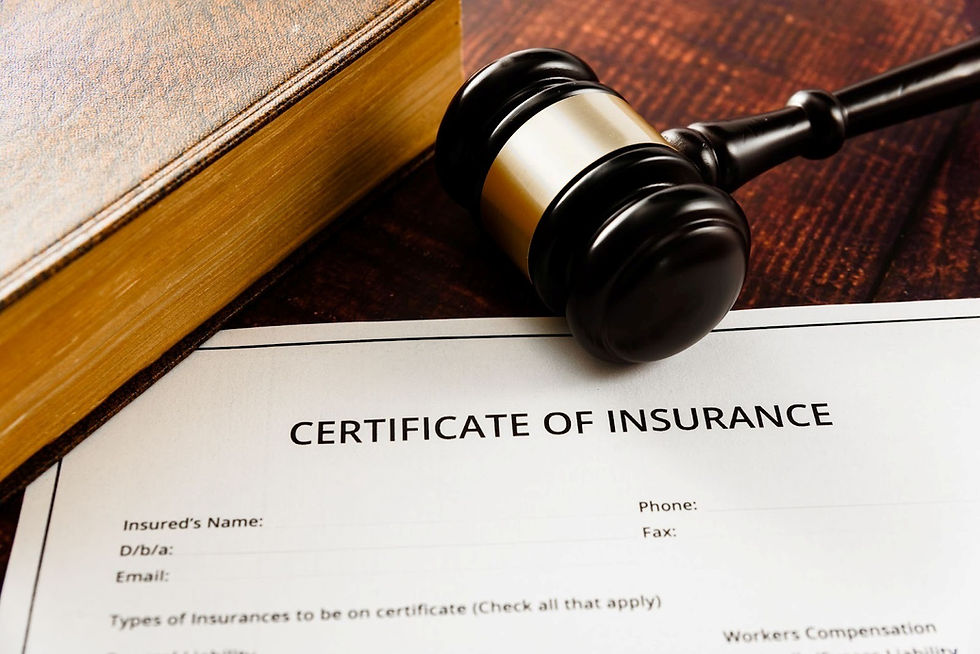

What is Commercial insurance?


Business owners carry more weight than most people realize. The risks are constant, and even a simple mistake or accident can result in substantial losses. Hope and hustle aren't enough to protect what you've built. Smart protection begins with understanding how commercial insurance supports your business when things go wrong.
What is Commercial Insurance? A Clear Definition
Commercial insurance is a set of policies that protect businesses from financial harm caused by lawsuits, accidents, property damage, or loss of income. It acts as a safety net, helping to maintain stable operations when something goes wrong. Every business faces unique challenges, and insurance is tailored to address those real-world threats.
Understanding Business Risk
All businesses are exposed to risks that can escalate quickly into expensive problems. These include property loss, third-party injuries, employee accidents, or cyber breaches. Even one of these incidents can lead to court costs, fines, or bankruptcy without insurance. Commercial insurance steps in to cover those gaps and restore normal operations. It allows owners to focus on running the business without fearing every "what if."
Core Components of Commercial Insurance
The backbone of most commercial insurance plans includes general liability, commercial property, and business interruption coverage. General liability addresses injury or damage claims against your business. Property coverage replaces or repairs buildings, equipment, and inventory. Business interruption insurance helps cover income and fixed expenses when your business is unable to operate due to an unexpected event. These three form a foundation that can be expanded based on specific needs.
Who Needs Commercial Insurance Coverage?
If a business has customers, staff, equipment, or a physical location, insurance isn't optional —it's necessary. Risk doesn't care about size or industry; even small operations can be affected by unexpected losses. That's why insurance applies to nearly every type of business.
Small Business Owners
Smaller businesses often operate with tighter margins and limited backup funds. One lawsuit, storm, or accident can undo everything. Insurance helps cover legal costs, repair bills, and temporary shutdowns without draining personal savings. It's crucial for local shops and home-based services with physical or customer-facing components. Even a single covered claim can make the difference between survival and closure.
Contractors and Freelancers
Independent professionals are just as exposed to risks as larger companies, sometimes more so, because they often lack access to legal teams or significant capital. Clients usually require proof of insurance before agreeing to a contract. General liability and errors and omissions coverage help protect income and reputation. Insurance helps mitigate the impact if tools are stolen or work is challenged in court. For many, it also opens doors to better-paying projects.
Retailers and Restaurants
Businesses that interact directly with the public deal with a constant flow of risk. Someone could slip on a wet floor, become ill from a product, or claim an injury from an accident. Property damage from fires, floods, or theft adds another layer of vulnerability. With the right coverage, repairs, lawsuits, and downtime don't have to end operations. Insurance enables owners to respond quickly and return to serving customers.
How Commercial Insurance Impacts Business Deals
Contracts often include insurance requirements that many business owners overlook until negotiations begin. Whether bidding on a government contract or signing with a major client, you'll likely need proof of specific coverage. General liability, professional liability, and workers' compensation are often specified in agreements as minimum thresholds. The deal could stall or fall through entirely if your insurance doesn't meet those terms. Having the right policies makes your business easier to work with, can speed up approvals, and strengthens your standing in negotiations.

Types of Commercial Insurance Policies
Businesses require various types of protection, depending on their assets, activities, and industry-specific regulations. Commercial insurance encompasses several core policies; most companies benefit from a combination of these. The goal is to cover every area where a loss could seriously hurt your business.
General Liability Insurance
General liability insurance pays for injuries or property damage your business causes to others. It also covers legal fees and settlements in the event that someone sues over an accident or advertising issue. It's often required for leases, contracts, and licenses. From slip-and-falls to defamation claims, general liability is the first line of defense. It's one of the most commonly purchased policies for good reason.
Commercial Property Insurance
Property insurance protects your building, inventory, and equipment from damage caused by fire, theft, vandalism, and some weather events. Whether you rent or own, your business needs reliable tools and a suitable workspace to operate. When disaster strikes, replacing those items out of pocket can be impossible. This policy helps you get back on your feet more quickly without incurring significant losses. It also covers improvements you've made to rented spaces.
Workers' Compensation Insurance
Workers' compensation covers medical bills and lost wages in the event of an employee's injury. It's legally required in most states once you have a certain number of employees. This policy also protects your business from lawsuits related to workplace injuries. It shows your staff that you care while protecting your finances. Whether you run a warehouse or a design studio, accidents still happen.
Commercial Auto Insurance
This policy is essential if your business owns or uses vehicles for work. It covers damage, injuries, and liability from business-related driving incidents. Personal auto insurance usually doesn't apply if you use a car for work. That includes deliveries, client visits, or transporting gear. This policy keeps your business moving even when things go wrong.
Business Interruption Insurance
When a disaster forces you to shut down temporarily, business interruption insurance replaces lost income. Covered events include fire, water damage, and equipment failure. It pays for rent, payroll, and other fixed costs while you recover. Many business owners overlook this coverage until they need it. It's a crucial part of financial continuity planning.
Bond Insurance
Bond insurance, also known as surety bonds, guarantees that a business will fulfill its legal or contractual obligations. It's often required for contractors, construction firms, and service providers working on public or private projects. If the business fails to deliver as agreed, the bond provider covers losses or completes the work. This insurance builds trust with clients by showing a third party backs you. It's a key tool for winning contracts and proving reliability in regulated industries.

Cyber Liability Insurance
Cyber insurance covers the costs of data breaches, hacking, and other digital threats. It includes legal defense, system recovery, customer notifications, and, in some cases, regulatory fines. As more businesses store data online, cyber threats become a bigger concern. Even small companies are targeted for their customer lists or payment systems. This policy is now just as important as fire or theft coverage.
How Much Does Commercial Insurance Cost?
There's no fixed price for commercial insurance, because each business is different. Costs vary depending on your industry, company size, location, and risk level. What you pay reflects what you need and what you could lose without it. High-risk sectors, such as construction or food service, often pay more due to increased claims. Business size, number of employees, and revenue also affect your premium. Your location matters too, especially in areas prone to storms or high crime rates. If your business has a history of past claims, your rates may increase. However, safety programs, bundling policies, or raising your deductible can lower your total cost.
Why Choosing the Right Insurance Agency Matters
An insurance agency does more than set up a policy; it helps you understand your exposure, match your coverage to your operations, and stay prepared as your business changes. A strong agency becomes an advisor, not just a seller, offering clarity where generic options fall short. Choosing the right agency can distinguish between patchy coverage and long-term protection that works when needed.
Personalized Risk Assessments
Agencies work directly with business owners to understand what makes their operations unique and tailor solutions accordingly. It allows them to recommend specific coverage types, limits, and policy add-ons that reflect your risks, not just your industry label. Many risks go unnoticed until an experienced advisor points them out, especially in evolving or niche sectors. A thoughtful assessment uncovers blind spots that off-the-shelf policies often ignore. The result is more brilliant and more customized protection.
One Point of Contact, Many Carriers
Independent agencies are connected to multiple insurance carriers, giving you access to various options without shopping around. You're not locked into one insurer's pricing or coverage limits. This flexibility enables the agency to identify plans that align more precisely with your budget and risk profile. Having a single contact manage all your policies simplifies renewals, changes, and claims. It keeps your insurance experience consistent and streamlined.
Support When it Matters Most
During a claim or urgent situation, your agency is your advocate, helping you communicate with the insurer, organize documents, and understand the process. Instead of navigating the system alone, someone guides you through every step. Agencies act fast, ask the right questions, and push for fair treatment. This support can help alleviate stress during already challenging situations. It's the human side of insurance that many business owners value most.
How Commercial Insurance Impacts Your Brand Reputation
When a business is insured, it signals reliability, professionalism, and foresight to clients, partners, and employees. Insurance tells people you take your obligations seriously and have planned for setbacks, building trust before you start working together. On the other hand, lacking coverage or failing to respond well to an incident can damage your reputation, especially in industries where safety or service quality is a top concern. Businesses that recover quickly from disruption often gain more respect from their community and customers. Over time, being well-insured can become part of your brand’s credibility and competitive edge.
Secure Your Business With the Right Commercial Insurance
Commercial insurance isn’t just paperwork; it’s the backup plan that keeps your doors open when everything goes sideways. The difference between closing down and bouncing back often comes from one policy. Don’t wait for a wake-up call to realize what you should’ve done. Protect what you’ve built before someone or something risks it.
Need clarity on coverage? Head to the Gulf Coast Insurance LLC blog for answers, updates, and insurance strategies that work.